What Is a Keyholder?
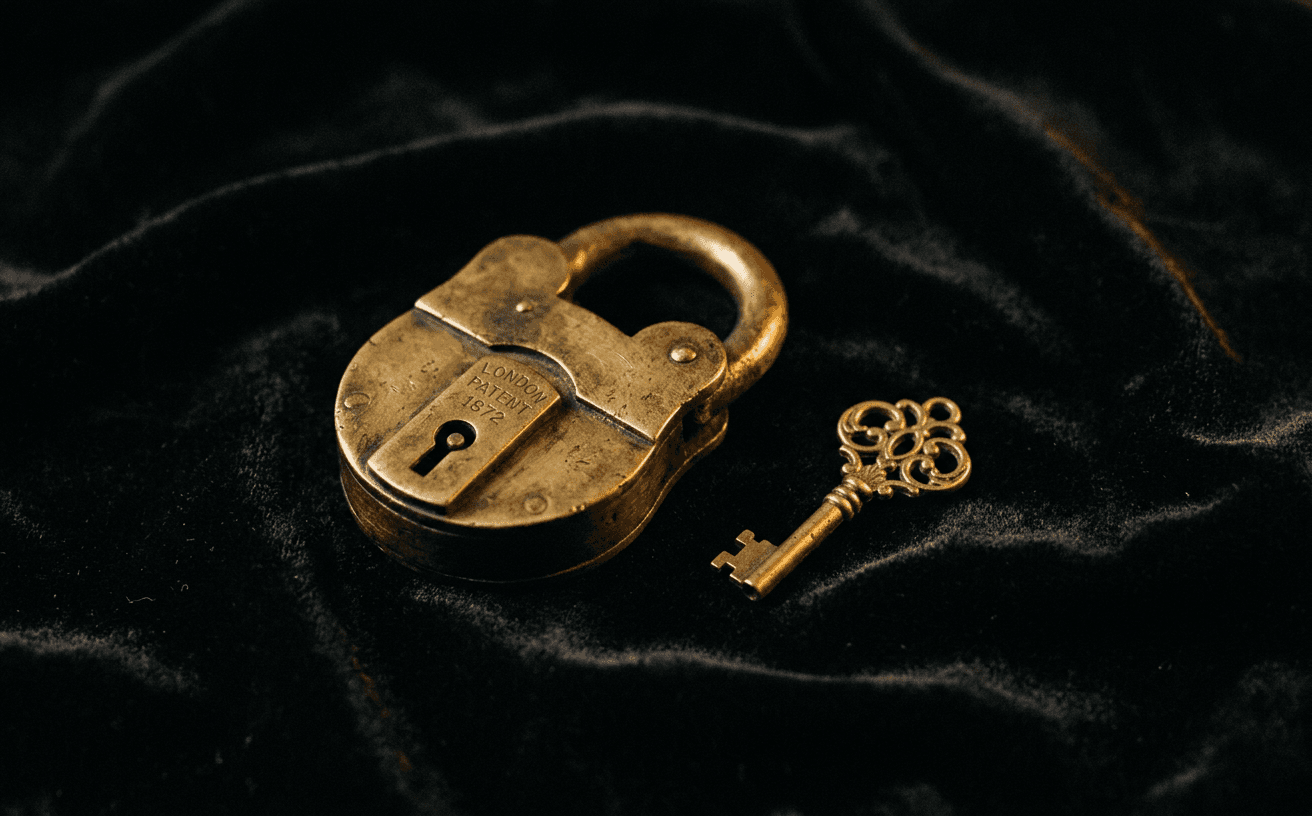
In chastity play, the keyholder is the person who holds the key, code or digital control that opens the device. That can be a partner, someone in a negotiated dynamic or, in self-locking, a plan the wearer made alone.
The wearer gives up access by choice, so the keyholder carries real responsibility. A good keyholder is reliable, attentive and honest, and treats the key as a symbol of trust. For the bigger picture, see our chastity and denial guide.
Core Responsibilities
- Safety first. Ask regularly about skin, comfort and mood, and release the device at once if the wearer reports pain, numbness or swelling.
- Key custody. Know where every key or code is, and keep a backup so nobody is stuck if you are unreachable.
- Consistency. Do what you said you would. Rules that change without warning erode trust quickly.
- Listening. Hold check-ins where the wearer can be honest, ask for a pause or renegotiate.
- Discretion. Keep the dynamic, photos and chats private unless you have both agreed otherwise.
Rules to Agree Before the First Lock
Talk before you lock. Settle these points, then write them down.
- Purpose. Why are you doing this: intimacy, focus, play or structure? The answer shapes every other rule.
- Limits and stop signals. Agree a safeword, a pause word and the topics that are off the table.
- Emergency release. Decide who can open the lock, how fast and under which circumstances, with no questions asked.
- Review points. Pick a date to ask whether the arrangement still works for both of you.
The BDSM Contract Builder helps you record rules, safewords and check-ins, and our yes/no/maybe list is a good way to find your limits first.
Release Schedule Templates
Release can mean unlocking the device, permission to orgasm or both, so define the term first. Treat these as starting points and adapt them.
Fixed schedule
Predictable and simple, good for beginners.
- Choose a release day, such as every Sunday.
- Write it down so there is no guessing.
- Review how the week felt before the next lock.
Earned release
Tied to tasks or agreed behavior.
- List the goals, for example completed tasks or check-ins.
- The keyholder confirms progress, never moves the goalposts silently.
- Release is a reward, and so is a clear explanation if it is postponed.
Surprise schedule
Uncertainty as the point, for experienced pairs.
- Agree a maximum limit beforehand, since open-ended waiting can become stressful.
- Keep the emergency release available at all times.
- Check in more often while the timing is hidden.
Want to understand why waiting feels so charged? Read the psychology of orgasm control.
Digital Keyholding
Long-distance couples and self-lockers sometimes use apps, shared timers or smart devices so the keyholder does not need to be in the room. Technology changes the tools, not the principles.
- Trust is the lock. A remote keyholder cannot see the wearer, so honest reporting matters more than any device.
- Plan for failure. Phones die, apps break and connections drop. Keep a physical emergency option.
- Protect privacy. Check what an app stores and who can see it before you put intimate details in it.
- Know who you are dealing with. Be cautious with strangers offering to hold your key online. Never share identity details or send money.
Compare options in our chastity apps comparison, or see how UNION's chastity and orgasm tracker fits into a couple's shared routine on the features page.
Safety, Consent and Health Notes
This guide is educational and not medical advice. Chastity devices can cause skin irritation, pressure or hygiene problems. Remove the device and consult a qualified healthcare professional if pain, numbness, swelling or discoloration appear. A correctly fitting device matters, so see our sizing guide.
Consent can be withdrawn at any time, and a keyholder must never use the key to pressure, blackmail or control a partner outside agreed play. Laws on coercive control and consent vary by jurisdiction, and an agreement does not replace legal protection. All participants must be adults.
Frequently Asked Questions
Does a keyholder have to be a romantic partner?
No. A keyholder can be a partner or someone in a negotiated dynamic, and self-lockers sometimes rely on a plan of their own instead. What matters is informed consent and trust.
Can the wearer ask for release at any time?
Yes. The wearer should always be able to end a lock, especially if there is discomfort. A dynamic that punishes a genuine request is not consensual.
How long should a lock last?
There is no universal answer. Start short, watch how the body responds and ask a qualified healthcare professional if you have concerns.
Keep exploring in the Chastity & Denial hub.
Agree Your Rules in Writing
Put limits, release rules and stop signals on paper, then see how UNION supports couples.